 blog
7 Roofing and Siding Contractor Checks Before You Sign
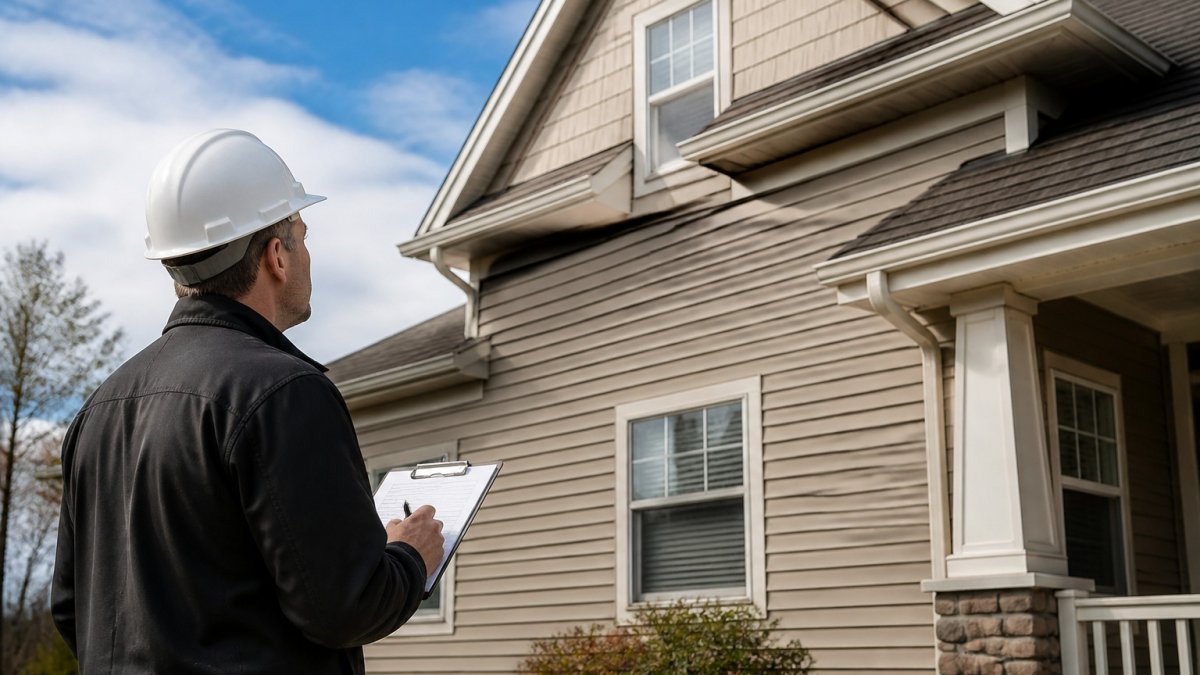
Before approving roofing or siding work in Flushing or surrounding communities, make the proposal specific enough to compare and verify. These seven checks help turn a sales conversation into a documented project.
1. Verify the business and required qualifications
Ask for the legal business name and contact details. Confirm any license required for your particular work through the responsible licensing authority. If the contract and license use different names, ask for documentation explaining the relationship. A name difference is a question to resolve, not proof of wrongdoing.
2. Confirm insurance with the issuing agent
Request current insurance documentation and verify it using independently confirmed agent contact details. Ask about the proposed work, effective dates, relevant exclusions and applicable workers' compensation coverage. A certificate is evidence of reported coverage, not a guarantee that every loss will be paid. Certificate-holder status alone does not make you an insured. Ask your own insurer about your exposure; do not assume homeowners insurance covers an uninsured contractor.
3. Define the actual scope
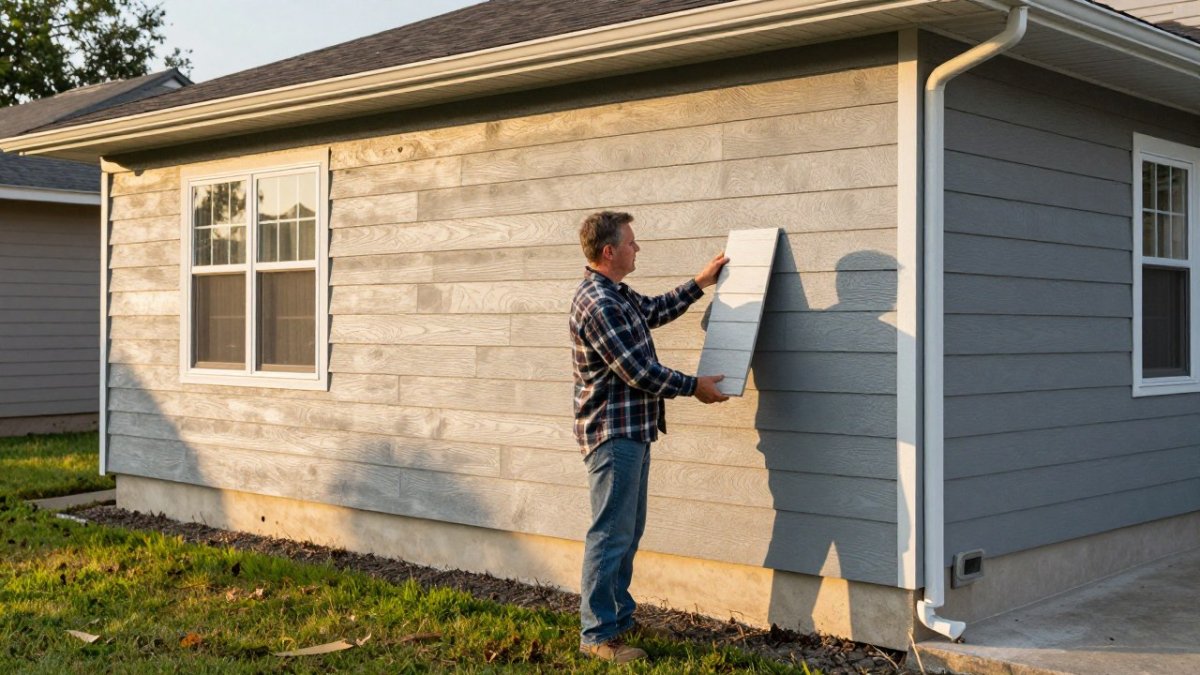
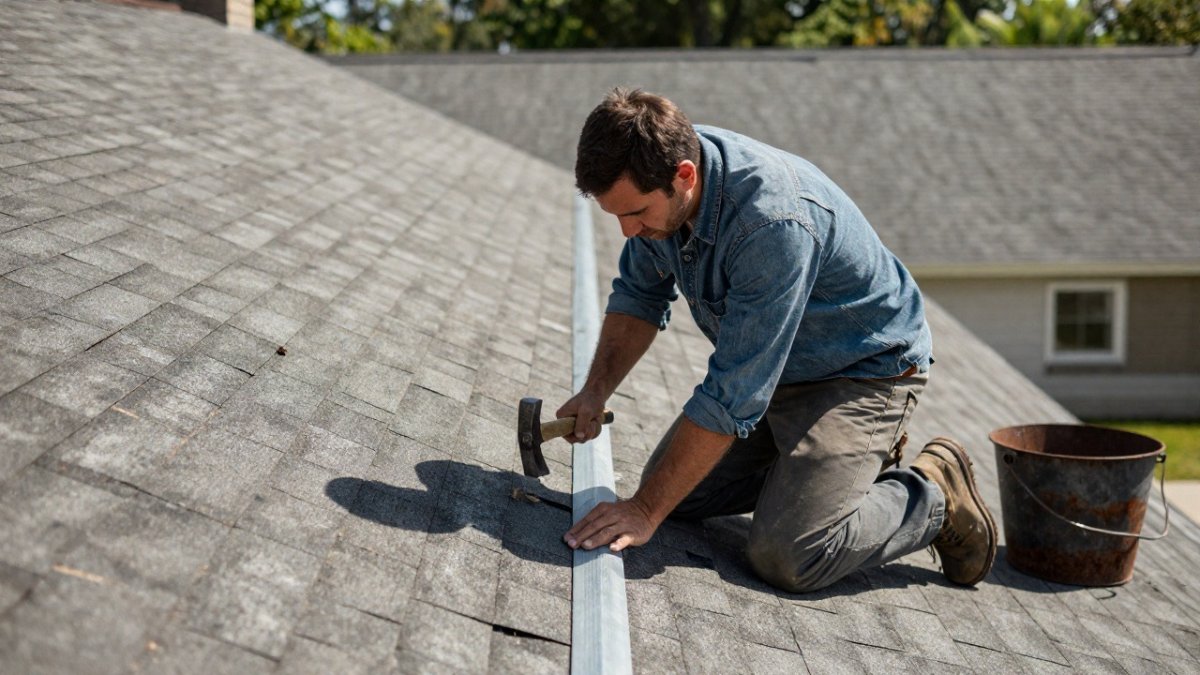
Identify the areas included, repair versus replacement, removal and disposal, specified products, flashing, underlying repairs and exclusions. For siding, discuss matching limitations and the wall's water-management layers. For roofing, ask how the proposed repair integrates with the remaining system. Compare equivalent work, not totals alone.
4. Resolve permits and interfaces
Confirm permit and inspection requirements with the building department responsible for the address. Put responsibility for obtaining them in the agreement. If roofing and siding meet, identify who coordinates flashing and sequencing so responsibility does not fall between trades.
5. Document payment and changes
Agree on the deposit, payment milestones, material selections and the process for additional work. Hidden rot may only become visible after removal. Ask how it will be photographed, priced and approved before the scope expands. A low price does not prove missing work; an unclear scope needs clarification.
6. Read warranty terms
Distinguish manufacturer coverage from workmanship terms. Request the actual written documents, limitations, maintenance obligations and claim process. Do not assume a product warranty covers installation errors or every future leak.
7. Agree on communication and closeout
Choose a project contact, update method and frequency. Discuss weather delays, access, cleanup and decisions requiring approval. At completion, keep the final scope, change orders, relevant inspection records, product information and warranty documents.
Discuss your project
Local Big Brothers is a family-owned construction and remodeling business serving Flushing, Michigan, and surrounding communities. Request an estimate or call (810) 328-3399. Include your location, the work needed and preferred timing. Scope, pricing, service fit and appointments are confirmed individually.
Frequently Asked Questions
What questions should I ask a roofing and siding contractor?
Ask about the work area, materials, hidden damage, permits, payment milestones, insurance, supervision, communication and written warranty terms. Record the agreed scope and exclusions before approving work.
How do I verify a roofing contractor's license and insurance?
Confirm required licensing with the responsible authority and verify insurance with the issuing agent using independently confirmed contact information. Ask about the proposed work and relevant limitations; a certificate does not guarantee coverage for every loss.
How can I tell if a roofing or siding contractor is reputable?
Use several kinds of evidence: verifiable qualifications, relevant references, documented work examples and a clear written proposal. Read reviews in context. No single rating, address or deposit amount establishes reliability.
Should I get multiple quotes for roofing and siding projects?
Comparing more than one written proposal can help clarify options and scope. Make sure the materials, quantities, exclusions, concealed-damage process and warranties are comparable before comparing the total.