 blog
Best Insulation Types for Older Homes: A Practical Guide
The best insulation for an older Flushing-area home depends on the existing wall, attic or foundation assembly. Choose a plan for the house before choosing a material. An insulation product cannot fix an active leak or make an unsafe cavity ready for work.
Start with an assessment
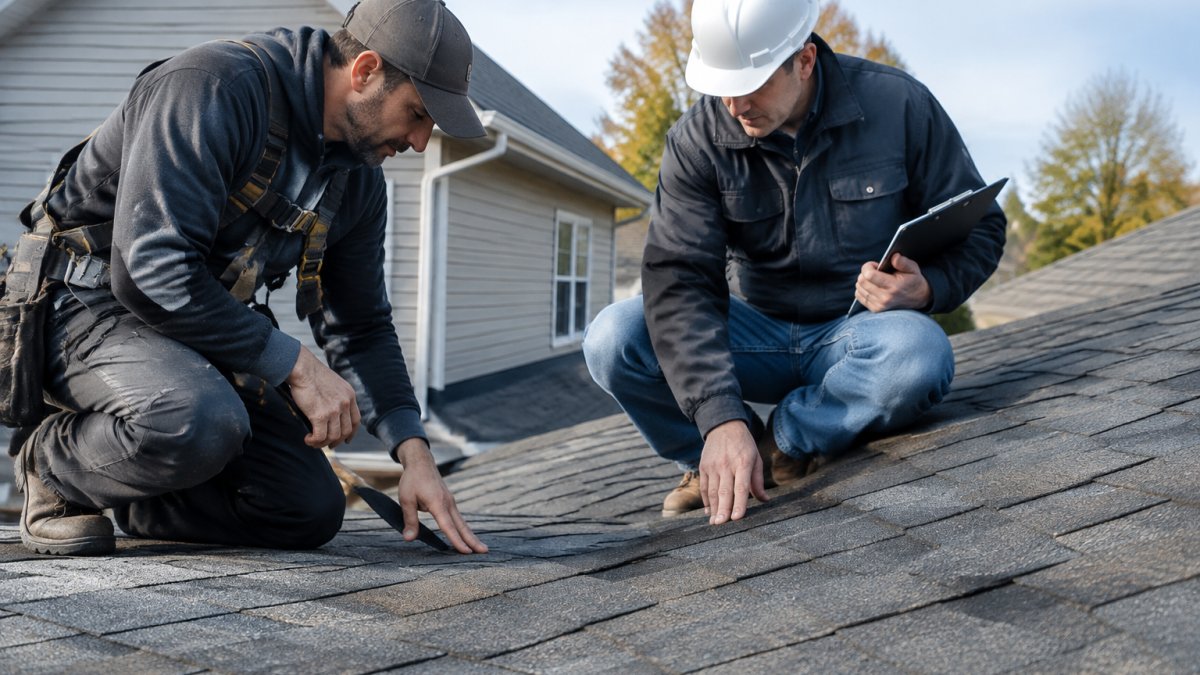
Ask a qualified professional to review existing insulation, water entry, ventilation, electrical conditions and combustion safety before installation. Do not disturb suspect vermiculite or other potentially hazardous material. The DOE-supported attic checklist calls for identifying moisture, structural and pest issues and addressing safety conditions before proceeding. This article is planning guidance, not instructions to enter an unsafe attic or handle suspect insulation.
Compare product options for the actual space
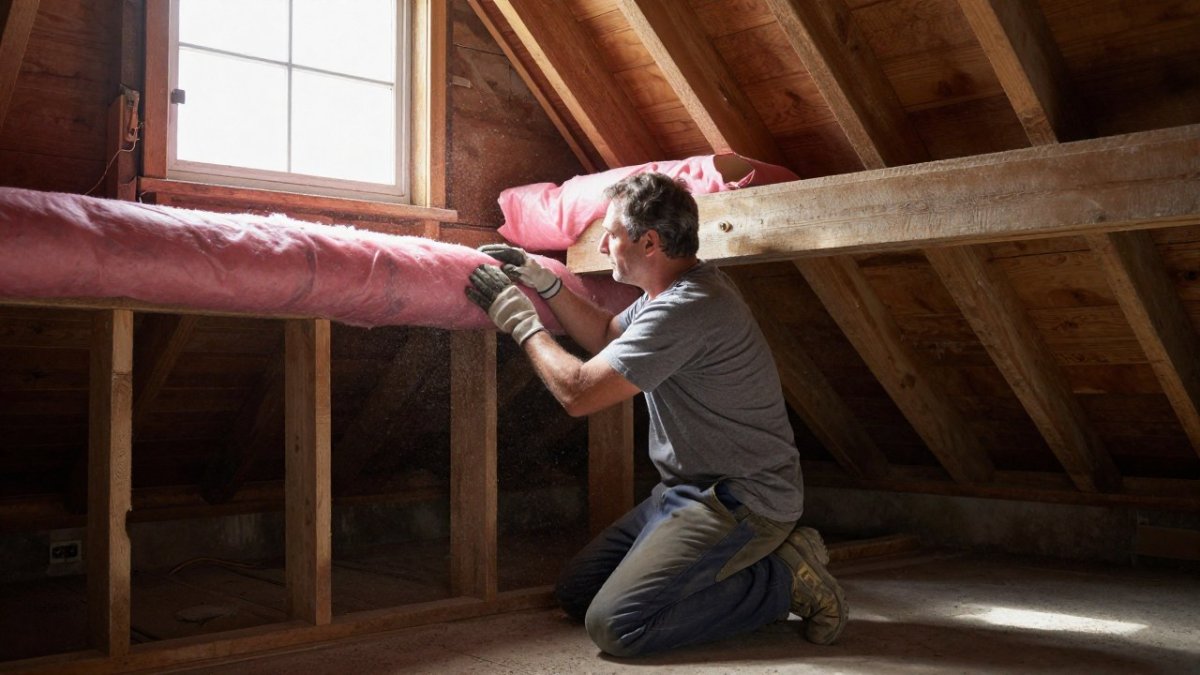
Fiberglass is available as batts and loose fill. Cellulose is used in loose-fill and dense-pack applications. Mineral wool is available in forms such as batts and boards. Foam products vary by formulation and intended use. Ask which exact product and installation method fits the accessible space, existing materials and project goals instead of declaring one material best for every old house.
Plan moisture and air control together
Ask how the assembly will manage rain, indoor moisture and drying after the work. Do not select a vapor retarder solely from the age of the house or a blanket instruction to put foam on one side. Fibrous insulation does not substitute for a designed air barrier. Existing layers, climate, ventilation and product instructions all matter.
Keep heat sources and wiring safe
Have qualified professionals resolve wiring, recessed-light and combustion-vent concerns. Do not pack insulation around a chimney or flue because a product is described as fire resistant. Required clearances and approved details still apply. Follow the applicable code and product instructions rather than a generic gap-filling recipe.
Ask what the proposal includes
Request the product, intended location, installed R-value, preparation and removal work, access repairs, moisture or ventilation measures, exclusions and price in writing. R-value per inch is not the same as the total installed R-value. Ask how the installer will verify coverage and the specified installation. No article can promise your energy savings or payback without evaluating the house and its use.
Discuss your home with Local Big Brothers
Local Big Brothers is a family-owned construction and remodeling business serving Flushing, Michigan, and surrounding communities. Call (810) 328-3399 or describe your insulation project. Share your town, comfort concerns and known moisture problems. Service fit, assessment arrangements, scope, price and scheduling are confirmed individually.
Frequently Asked Questions
What is the best insulation for an older house?
There is no universal best product. Choose according to the existing assembly, moisture conditions, available space, safety issues and installation method after an appropriate assessment.
How can you insulate an old house without tearing down the walls?
Some cavity-fill methods use small access openings, but suitability depends on the wall construction, existing insulation, wiring and moisture condition. Have the assembly assessed before drilling or filling, and include finish repairs in the scope.
Is mineral wool a good choice for an older home?
It may suit a specified assembly, but the product must be selected and installed for that application. Fire resistance does not permit packing it into required chimney or flue clearances.
What R-value should attic insulation options for older homes target?
Ask for a target based on the applicable requirements, existing assembly, available space and the project assessment. Compare total installed R-value, not just R-value per inch, and resolve moisture and safety issues first.