 blog
How to Choose the Best Low Maintenance Siding for Homes
Last Updated: November 19, 2026
Quick Summary
The best low maintenance siding depends on your climate, budget and upkeep tolerance. Vinyl, fiber cement, metal, engineered wood and composite cladding each resist moisture, rot and pests differently, and low maintenance siding still needs yearly inspection.
- Compare how often the finish needs attention, how easily panels can be replaced, and how the material handles freeze-thaw cycles.
- Follow the vinyl manufacturer’s cleaning instructions; a soft brush and garden hose are common starting points.
- Fiber cement finishes can weather over time. Inspect the finish and follow the product maker’s guidance on when to repaint.
- Keep a spare vinyl panel from the original installation, since matching older siding is often the hardest repair.
- Check caulk and fasteners annually, because sealant and flashing age regardless of the cladding chosen.
Table of Contents
- What Makes Siding Low Maintenance?
- Vinyl Siding Maintenance: Cleaning, Repairs and Lifespan
- Fiber Cement Siding Maintenance and How Often It Needs Painting
- Metal, Engineered Wood and Composite Options Compared
- Most Durable Siding for a House: Climate and Lifespan Considerations
- Best House Siding for the Money: Total Cost of Ownership
- Next Steps: Getting Siding Options Evaluated for Your Property
- Frequently Asked Questions
What Makes Siding Low Maintenance?
Low maintenance siding is material that keeps its look and protective value with routine cleaning and occasional spot repairs, rather than regular repainting or staining. The main candidates are vinyl, fiber cement, metal, engineered wood and composite cladding. Each resists moisture, rot and pests differently, so the right choice depends on your climate, your budget and how much upkeep you are willing to do.
When comparing options, look at four things: how often the finish needs attention, how easily a damaged panel can be replaced, how the material handles freeze-thaw cycles and moisture in your area, and what it costs over the years you plan to stay in the house. A siding that is cheap to install but needs repainting every few years can cost more over time than a pricier product that needs only a yearly wash.
Keep in mind that "low maintenance" does not mean "no maintenance." Every exterior needs inspection for loose fasteners, gaps at trim and wear around windows, doors and the roofline. Sealant and flashing also age, whatever the cladding.
Vinyl Siding Maintenance: Cleaning, Repairs and Lifespan
Many factory-colored vinyl products need no routine painting. Use only cleaners and washing methods allowed by the manufacturer; a garden hose and soft brush are often enough for routine dirt.
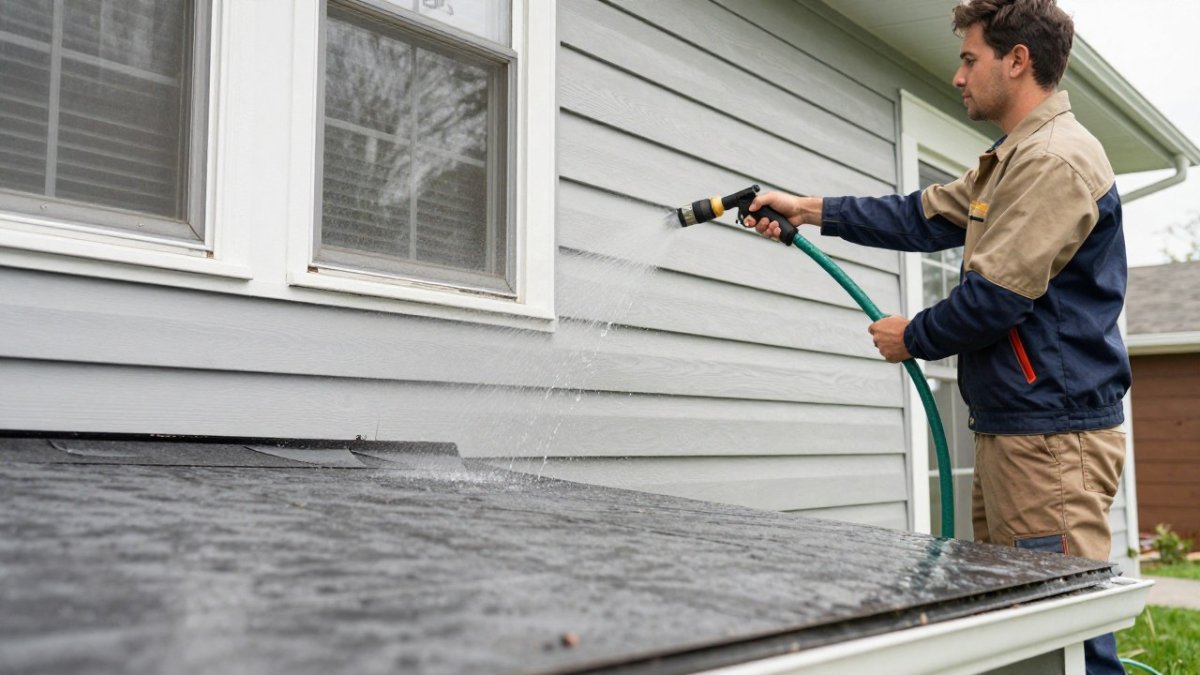
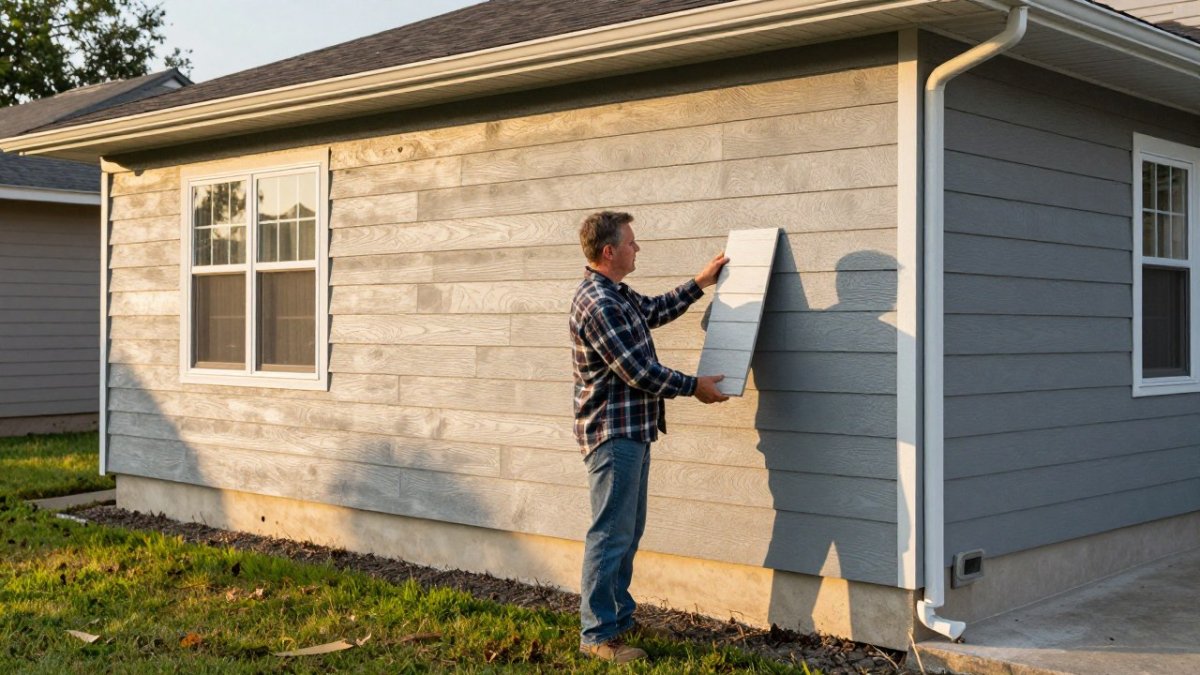
Vinyl can crack from impact, warp from prolonged heat exposure or become brittle in severe cold. Repairs are often straightforward: a damaged panel can be unlatched from the panel above, removed and replaced, provided the old panel is still available in the same profile and color. Matching older siding can be the hardest part, which is one reason to keep a spare panel from the original installation.
Good-quality vinyl often lasts several decades, though actual lifespan depends on installation quality, sun exposure and climate. Ask any installer how they handle expansion gaps and fastening, since poor installation shortens vinyl's life more than the product itself.
Fiber Cement Siding Maintenance and How Often It Needs Painting
Fiber cement can resist rot and insects and is available with factory-applied or field-applied finishes. Its repainting schedule depends on the specific finish, exposure and condition. Follow the product’s care and paint instructions rather than assuming a fixed interval.
Use the product maker’s recommended cleaning method. Inspect trim and the joints that are designed to be sealed. Drainage gaps, weep openings and joints designed without sealant should remain open. Follow the installation instructions for exposed cut edges.
For a damaged fiber cement board, ask an installer about product-approved repair or replacement. Cutting can release respirable silica dust; leave cutting and removal to a qualified crew using appropriate dust controls.
Metal, Engineered Wood and Composite Options Compared
Steel and aluminum cladding do not rot, but impacts can dent panels and damage protective coatings. Ask about corrosion resistance, finish upkeep and the written warranty. Follow the exact product’s clearances and fastening details; uneven walls or fastening can make flat panels look wavy.
Engineered wood and composite products can offer a wood look, but they are not a single material. Some painted engineered wood needs finish and edge upkeep, while certain cellular PVC products need different allowances for heat and movement. Compare the care guide and replacement process for the specific product.
Here is a quick summary of the main options:
Material | Typical upkeep | Main weakness | Best for |
|---|---|---|---|
Vinyl | Wash yearly | Impact cracks, fading | Budget-conscious owners |
Fiber cement | Inspect finish; repaint as needed | Heavy, costly to install | Harsh weather, fire-prone areas |
Metal | Wash, check finish | Dents, scratches | Low routine upkeep |
Engineered wood / composite | Follow product care guide | Edge and seam moisture | Wood look with less rot risk |
Watch out: metal and composite panels are often heavier and less forgiving of a wavy substrate than vinyl, so the condition of the existing wall and the quality of the flashing and drainage behind the cladding matter as much as the material choice. A site-specific assessment of your walls, exposure and trim details is the only reliable way to know which of these options will actually stay low maintenance on your home.
Most Durable Siding for a House: Climate and Lifespan Considerations
In mid-Michigan, compare products rated for local moisture, temperature swings and wind exposure. Follow each product’s fastening and clearance requirements, and ask how the proposed wall will manage water behind the siding.
Sun exposure matters too. South- and west-facing walls take the most UV, which fades paint and can make vinyl brittle. Shaded, damp sides are more prone to mildew and rot, so they need closer attention regardless of material.
A warranty describes covered defects, conditions and exclusions; it is not a guaranteed minimum service life. Compare the written coverage and maintenance requirements, and have the existing wall, flashing and drainage checked before choosing a product.
Best House Siding for the Money: Total Cost of Ownership
Initial price is only part of the picture. For a side-by-side look at how eco-friendly materials compare on cost and longevity, see whether eco-friendly siding materials are worth the cost. Total cost of ownership adds up installation, cleaning, repainting, repairs and eventual replacement over the period you expect to own the home. A material that costs less upfront but needs repainting every few years can end up costing more than one with a higher purchase price and little upkeep. The repainting cycle often matters more than the purchase price when comparing materials over a decade or more.
Compare the maintenance the manufacturer actually calls for: cleaning, finish inspections, approved touch-ups and repairs. Factory-colored vinyl generally does not require painting; only consider recoating if the manufacturer permits it and confirms the product and color are compatible. Costs depend on the exact cladding and the wall’s exposure.
Ask how each system handles a damaged panel or board, whether replacement pieces will match, and whether a localized repair affects the manufacturer’s coverage. Some composite systems require replacing a full course. Have fiber cement cutting or removal handled by a professional.
When comparing bids, ask each contractor to break out materials, labor, prep work and any warranty terms. Pricing depends on home size, the condition of the existing wall, local labor rates and the product chosen, so the only reliable figure is a written estimate for your property. Ask what the warranty covers, whether it is transferable and what it excludes. Installation quality, flashing and drainage around openings often decide whether siding lasts its full rated life, regardless of material, so a lower bid that skips prep or proper flashing can cost more over time. A site-specific assessment of your walls and exposure is the only way to compare these trade-offs for your home.
Next Steps: Getting Siding Options Evaluated for Your Property
Every home is different, so the right siding depends on your specific walls, climate and budget. Local Big Brothers, a family-owned construction and remodeling business in Flushing, Michigan, can help homeowners discuss repair and replacement options for their exterior. If you are deciding whether your current siding is worth fixing, our article on whether siding problems are worth repairing or replacing walks through the key questions. Before you sign with any contractor, it also helps to review our 11 siding installation warranty questions to ask and our 7 roofing and siding contractor checks before you sign.
To talk through the work your home needs, contact Local Big Brothers at https://localbigbrothers.com/ or call (810) 328-3399. Tell us what work you are considering and where the property is located, and we will go from there.
Frequently Asked Questions
What is the lowest-maintenance exterior siding?
Factory-colored vinyl often has a short routine maintenance list. Fiber cement and metal can also be lower-upkeep options, depending on the product, finish and site exposure. Compare written care instructions, expected repairs and how the wall handles water before choosing.
Is fiber cement siding lower maintenance than wood siding?
Fiber cement can require less finish maintenance than some natural wood products, but the exact schedule depends on the finish and exposure. Inspect the siding and its designed sealant joints, and follow the product instructions for cleaning, touch-ups and repainting.
How often does vinyl siding need to be cleaned?
Clean as needed and follow the vinyl siding manufacturer’s directions. A garden hose and soft brush are often sufficient. Don’t direct water up behind the panels, and avoid high-pressure washing unless the manufacturer specifically permits it. Inspect from the ground after storms, and have loose or damaged panels checked if needed.
What should homeowners compare when choosing siding?
Compare upfront installed cost, expected lifespan, the maintenance tasks each material requires, resistance to moisture, pests and impact, and how the color holds up in your climate. Also consider how repairs would be handled, since replacing a damaged section can be easier with some materials than others. Ask for written estimates that show material and labor separately so the options are comparable. Local Big Brothers can be contacted to discuss siding and other exterior work and to request an estimate. Project scope, materials and scheduling are confirmed individually, and you can request an estimate at https://localbigbrothers.com/ or by calling (810) 328-3399.