 How-to
How to Compare Contractor Bids for Home Repairs?
Last updated: November 18, 2026
Compare contractor bids by scope first, then price. Two estimates can have similar totals but include different materials, quantities, preparation and cleanup. A lower number is not automatically a better value, and a price difference alone does not establish whether either contractor is being fair.
1. Give each contractor the same starting information
Prepare a written description of the repair, photos taken from safe locations, material preferences and your target schedule. Ask contractors to explain any proposed changes to the scope. Keep options separate so you can compare the same work across bids. Photos support an estimate but may not reveal hidden damage or replace a site visit.
2. Build a side-by-side checklist
For every proposal, mark each item included, excluded or unclear. Copy the information from the written bid rather than relying on memory.
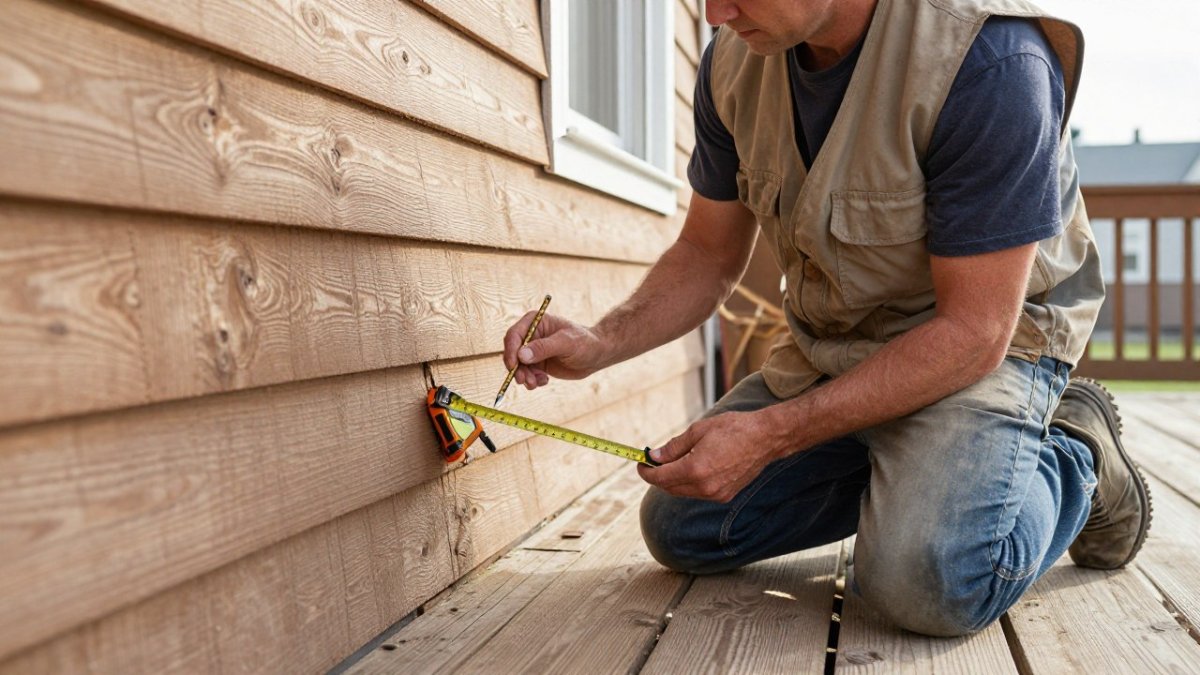
- Tasks, measurements and quantities
- Removal, disposal and site preparation
- Named materials, product grades and installation requirements
- Allowances, taxes, delivery and excluded work
- Permit and inspection responsibilities
- Start window, estimated duration and possible delays
- Deposit amount, purpose and refund terms
- Progress payments and final-payment conditions
- Written change-order approval and pricing
- Workmanship and product warranties, exclusions and claim process
- Cleanup, property protection and daily contact person
Ask for enough detail to understand the scope and total. Separate labor and material figures can help, but a contractor may quote a fixed price rather than disclose every internal cost.
3. Compare repair quantities and preparation
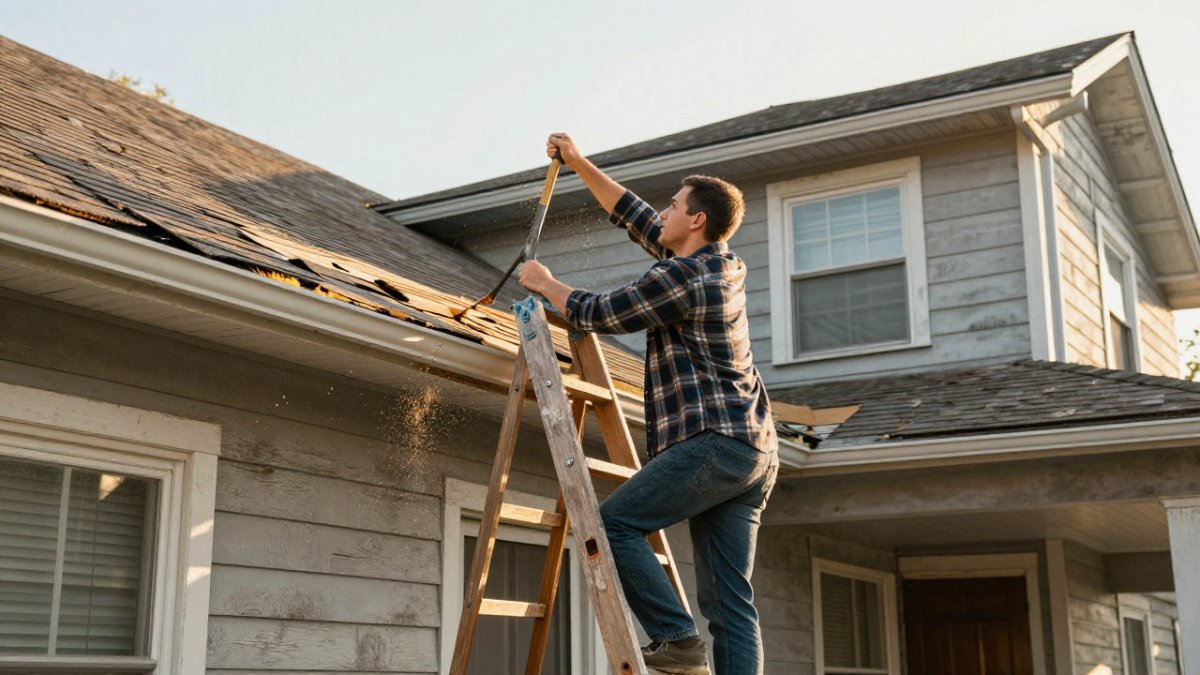
For roofing, clarify the area, removal, underlayment, flashing, disposal and treatment of any hidden deterioration. For siding, windows or doors, clarify opening preparation, trim, matching, sealing and finish work. Do not assume a visible-surface repair includes concealed damage. Ask how discoveries will be documented and approved before extra work proceeds.
4. Clarify allowances and exclusions
An allowance is a placeholder for something not fully selected or priced. Ask how the contract handles overages, unused amounts, taxes, delivery and markup. Compare the same product across proposals and have each contractor confirm the resulting adjustment in writing. Your own estimated add-back for an exclusion is a budgeting aid, not a binding contractor quote.
Keep optional upgrades separate from required repairs. Do not quietly compare a basic repair against a full replacement or add a contingency twice. Record what remains unknown.
5. Understand payment and scheduling terms
Ask what the deposit funds, when materials will be ordered, who owns them and what happens if the project is cancelled or delayed. Deposits can vary with project and material requirements; no single percentage is appropriate for every job. Review the written payment schedule, completed-work milestones and any material-purchase payments before signing.
Confirm the expected start window and duration, plus how weather, product availability and inspections may affect them. A proposed date is not a confirmed booking. Avoid pressure to sign immediately or pay the full project price before work begins. The FTC's home-improvement guidance explains warning signs and the value of written estimates.
6. Verify responsibilities and qualifications
Ask who obtains required permits, pays fees, schedules inspections and handles corrections. Confirm requirements with the appropriate local authority rather than assuming every repair is exempt. Ask for applicable license information and current insurance evidence, and verify them with the issuer or regulator. These are questions to ask any contractor, not a claim that a particular credential or coverage has been verified here.
Request recent references for comparable work. Ask who supervises the job, who handles questions and what the written warranties actually cover. A product warranty and a workmanship warranty are not interchangeable.
7. Request clarification before choosing
Send each contractor a short list of unclear items and request a revised written proposal. Compare the resulting total, scope, schedule and terms. Keep the final scope and approved changes together so both sides know what has been agreed.
Discuss your Flushing-area repair
Local Big Brothers is a family-owned construction and remodeling business serving Flushing and nearby communities. For roofing, siding, insulation, window or door project questions, visit Local Big Brothers or call 810-328-3399. Have photos, a description of the work and your preferred schedule ready. Scope, pricing and availability must be confirmed for your individual project.
Frequently Asked Questions
How many contractor bids should I get for a home repair?
Several written bids can help you compare approaches and prices. Use the same scope and ask about substantial differences. The right number depends on the project and available qualified contractors; do not delay an urgent safety issue merely to reach a fixed count.
What should a contractor estimate include?
Look for a clear scope, quantities, specified products, total price, allowances, exclusions, schedule and payment terms. Confirm permit responsibilities and the process for hidden damage and change orders. Ask for clarification when a fixed-price bid lacks enough scope detail to compare.
What questions should I ask contractors before hiring?
Ask about applicable licenses, insurance, recent similar projects, supervision, communication, permits and inspection responsibilities. Confirm workmanship and product warranty terms and how changes will be approved. Verify credentials rather than relying only on a statement.